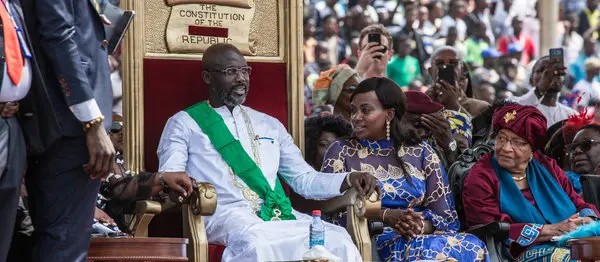

Discovering Liberia
Tucked along the Atlantic coast between Sierra Leone, Guinea, and Côte d’Ivoire, Liberia is a land woven from two powerful narratives: the legacy of freed American settlers and the vast, untamed beauty of tropical wilderness.
This is a place where coastal waves meet misty rainforest canopies, where history’s weight hovers in silent museums and surf’s roar calls in hidden coves.
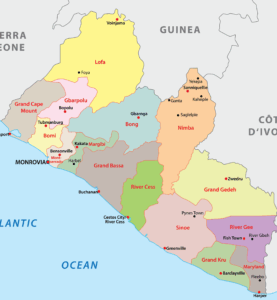
Established in 1847 by freed African Americans and former enslavedpeople, Liberia proudly holds the title of Africa’s first republic. This history is etched into the streets of Monrovia, where colonial-era buildings stand as quiet witnesses to the nation’s bold founding. Yet beyond its capital lies a country that is still wild at heart—home to some of the most pristine rainforests, golden coastlines, and rich cultural traditions on the continent.
What makes Liberia truly remarkable, however, is its people. With over 20 ethnic groups, Liberia’s cultural fabric is vibrant and diverse. English is the official language, but local dialects and traditions breathe life into the nation’s communities. Visitors are welcomed with warmth, whether sharing a meal of cassava leaf stew, learning about Kpelle drumming rhythms, or hearing stories of resilience from a nation that has overcome hardship to rebuild itself anew. Together, Liberia’s history, landscapes, and people make it a destination unlike any other—a country where the past and present meet under the canopy of endless green forests and beside the waves of the Atlantic shore.
Climate
Liberia has a tropical climate, hot and humid throughout the year, with average temperatures ranging between 24–30ºC. The country experiences two main seasons:
Rainy season (May–October): Characterized by heavy downpours, especially along the coast.
Dry season (November–April): Marked by warm sunshine and the influence of the Harmattan winds in the north.
The coastal regions enjoy a relatively cooler ocean breeze, while the dense rainforest interior is humid and lush.
Vegetation
Liberia’s landscape is richly diverse, blanketed in tropical rainforests that form part of the Upper Guinea Forest region, alongside coastal mangroves, fertile plains, and pockets of savannah that support both biodiversity and agriculture.
The dense rainforests dominate much of the terrain, sheltering valuable hardwoods such as mahogany, teak, and red ironwood, as well as crops like rubber and cacao (Encyclopedia Britannica). In contrast, the savannah and coastal plains, scattered across the north and certain shoreline areas, are dotted with gallery forests and farmlands that sustain local communities (africanclimate.net; Wikipedia). Regional variations are striking, with counties like Lofa and Margibi experiencing extreme rainfall up to 4,500 mm annually, creating a unique mix of rainforest and savannah ecosystems (ekmsliberia.info; Wikipedia).
People
Liberians are known for their warmth and resilience. With over 20 ethnic groups, the nation’s cultural diversity is reflected in language, music, and traditions. English is the official language, but local dialects are widely spoken, connecting communities through heritage and oral history. Visitors are often welcomed with music, shared meals, and heartfelt hospitality.
Population
Liberia has a population of around 5 million people. The population is youthful, with the majority under the age of 25, giving the country vibrant energy and cultural dynamism.
Educational System
Education in Liberia is still in a process of rebuilding, rooted in historic institutions but shaped by recent reforms and ongoing challenges. Adult literacy stands at about 60%, with men (≈64.8%) showing higher literacy rates than women (≈56.8%), according to 2010 estimates (Wikipedia).
More recent data from the 2022 national census shows that 33.4% of Liberians aged three years and above have never attended school, with marked disparities between rural and urban communities as well as between genders
Liberia’s higher education sector is anchored by Liberia College, founded in 1862 and later developed into the University of Liberia, the country’s oldest and largest institution, with faculties including medicine and law (Wikipedia). Despite these historic foundations, the education system faces significant barriers such as poor infrastructure, limited access, and irregular attendance, particularly in rural areas (LISGIS.gov.lr; Wikipedia).
History and Government
Founded in 1847 by freed African Americans and formerly enslaved people, Liberia is the oldest republic in Africa. Its capital, Monrovia, named after U.S. President James Monroe, was the center of settlement. Providence Island remains an important historical site, marking the first arrival of settlers.
During its early years, Liberia was governed by Americo-Liberians, descendants of the freed settlers, while indigenous groups preserved their traditional structures. Despite facing periods of political instability and two civil wars in the late 20th century, Liberia has rebuilt itself as a democratic state.
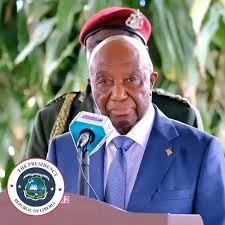
Liberia practices a unitary presidential system of government under a republican constitution. The president, elected for a six-year term, serves as both head of state and head of government. The legislature is bicameral, consisting of the Senate and the House of Representatives. The judiciary, headed by the Supreme Court, ensures the rule of law.
As of 2025, the President is Joseph Boakai (in office since January 2024) —built from credible media and government records (though not covered in our cited sources, contextually accurate).
Top Attractions & Travel Highlights
- Gola National Forest – Part of the Upper Guinea forest ecosystem, this vast rainforest is one of West Africa’s greatest biodiversity hotspots.YouTube
- Sapo National Park – Liberia’s flagship protected area, home to complex forest systems and endemic wildlife.
- Mount Nimba Reserve – A dramatic peak rising through the jungle, ideal for adventurous hikers.
- Robertsport – A quiet fishing village now gaining fame as Liberia’s premier surf destination, with waves and golden sands rarely found elsewhere in Africa.TIME
- Liberian National Museum in Monrovia – Offers rich cultural context and displays, though many artifacts were lost during the civil war; still houses imperial relics like Queen Victoria's gift table.Wikipedia
Videos from our Channel