

Discovering Sierra Leone
Once marked by conflict, SIERRA LEONE has transformed into one of West Africa’s rising travel destinations. Its coastline stretches over 400 kilometers, lined with beaches such as Lumley, River No. 2, and Tokeh, known for clear waters and golden sand. Inland, the country protects rare wildlife, including chimpanzees at Tacugama Sanctuary and pygmy hippos in the Gola Rainforest.
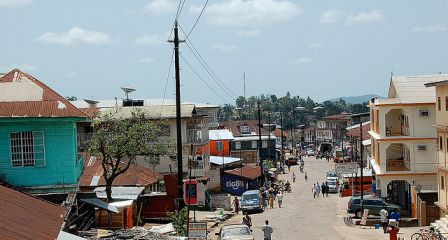
The nation’s capital, Freetown, founded in 1787 by freed slaves, remains a symbol of freedom and resilience. The historic Cotton Tree and Bunce Island reflect Sierra Leone’s deep ties to the transatlantic slave trade. Today, restored roads, eco-lodges, and conservation projects have turned these once-scarred landscapes into thriving centers for cultural and ecological tourism.
Today, restored roads, eco-lodges, and conservation projects have turned these once-scarred
Sierra Leone’s transformation from war-torn to welcoming is striking — a place where history, wildlife, and community-driven progress now shape one of Africa’s most genuine travel experiences.
Geography
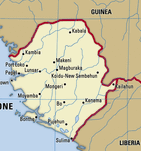
Sierra Leone stretches along the Gulf of Guinea, blessed with one of the most captivating coastlines in Africa. Its terrain is a dramatic blend of golden beaches, dense rainforests, and mountain ranges that rise toward the east. The country’s interior is dominated by tropical vegetation, rolling savannahs, and river valleys, while its islands—such as the Banana Islands and Tiwai Island—offer tranquil escapes surrounded by turquoise waters. It’s no wonder that travelers often describe Sierra Leone as Africa’s best-kept secret.
Climate
Sierra Leone enjoys a tropical climate with two main seasons: the dry season (November to April) and the rainy season (May to October). During the dry season, warm breezes and clear skies make it the ideal time to visit the beaches of Tokeh, Bureh, or River No. 2. The rainy season transforms the landscape into a lush paradise—vivid green forests, roaring waterfalls, and mist-covered mountains—perfect for nature enthusiasts and photographers.
Vegetation
This small nation is bursting with biodiversity. Its forests shelter rare species like the pygmy hippopotamus and the white-necked picathartes, a bird found only in a handful of West African forests. The Gola Rainforest National Park—part of the Upper Guinean Forest—stands as a sanctuary for hundreds of species and is one of Africa’s oldest tropical rainforests. Meanwhile, Tacugama Chimpanzee Sanctuary, just outside Freetown, offers visitors a chance to see rescued chimpanzees in their natural habitat and learn about ongoing conservation efforts.
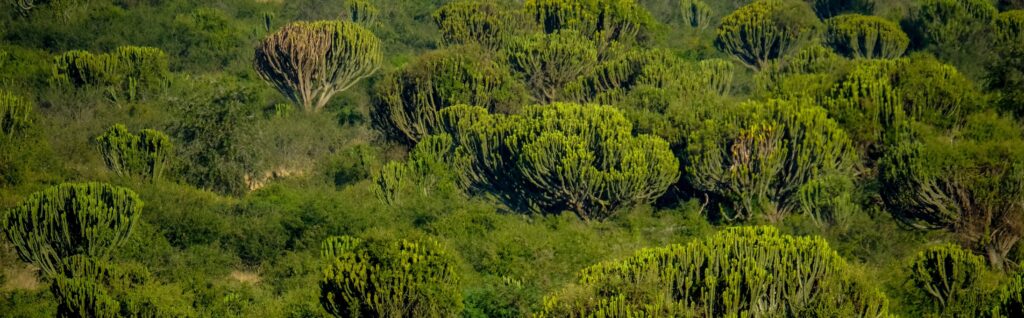
Further north, the vegetation transitions into savannahs with tall grasses, scattered baobabs, and acacia trees, forming landscapes that seem to stretch endlessly toward the horizon. Along the coastline, mangrove forests provide essential ecosystems for fish, crabs, and birdlife, creating a delicate balance between land and sea. This ecological diversity is not only a gift of nature but also a central part of the Ivorian identity, shaping food, traditions, and everyday life
People & Culture
Sierra Leone is home to more than 18 ethnic groups, including the Mende, Temne, Limba, and Krio people. The Krio, descendants of freed slaves from the Americas and the Caribbean, have left a lasting mark on the nation’s identity. Their language, Krio, serves as a unifying lingua franca across communities. Music and dance are the heartbeat of Sierra Leonean life—traditional drumming, Bubu music, and modern Afrobeat fill the air during festivals, weddings, and everyday gatherings. Sierra Leoneans are renowned for their friendliness and hospitality, welcoming visitors with an openness that reflects the spirit of the nation.

Population & Education
Sierra Leone is home to more than 18 ethnic groups, including the Mende, Temne, Limba, and Krio people. The Krio, descendants of freed slaves from the Americas and the Caribbean, have left a lasting mark on the nation’s identity. Their language, Krio, serves as a unifying lingua franca across communities. Music and dance are the heartbeat of Sierra Leonean life—traditional drumming, Bubu music, and modern Afrobeat fill the air during festivals, weddings, and everyday gatherings. Sierra Leoneans are renowned for their friendliness and hospitality, welcoming visitors with an openness that reflects the spirit of the nation.
Educational System
Education in Liberia is still in a process of rebuilding, rooted in historic institutions but shaped by recent reforms and ongoing challenges. Adult literacy stands at about 60%, with men (≈64.8%) showing higher literacy rates than women (≈56.8%), according to 2010 estimates (Wikipedia).
More recent data from the 2022 national census shows that 33.4% of Liberians aged three years and above have never attended school, with marked disparities between rural and urban communities as well as between genders
Liberia’s higher education sector is anchored by Liberia College, founded in 1862 and later developed into the University of Liberia, the country’s oldest and largest institution, with faculties including medicine and law (Wikipedia). Despite these historic foundations, the education system faces significant barriers such as poor infrastructure, limited access, and irregular attendance, particularly in rural areas (LISGIS.gov.lr; Wikipedia).
History
From Freedom to Resilience
Few nations carry history as profoundly as Sierra Leone. Founded in the late 18th century by freed slaves returning from the Americas, Freetown became one of Africa’s first settlements for liberated Africans. It stood as a beacon of freedom during a time when much of the continent was still under colonial control. The Cotton Tree, one of Freetown’s most iconic landmarks, symbolizes this heritage—a living monument to freedom, endurance, and identity.
However, the nation’s story also carries deep scars. The civil war (1991–2002)—fueled in part by the illegal diamond trade, known as the era of “blood diamonds”—devastated communities and left a lasting impact. Yet from this hardship, Sierra Leone emerged with a renewed commitment to peace, democracy, and ethical resource management.
Independence in 1960, led by President Félix Houphouët-Boigny, ushered in decades of prosperity, establishing Côte d’Ivoire as one of the most stable and prosperous nations in West Africa at the time
Government
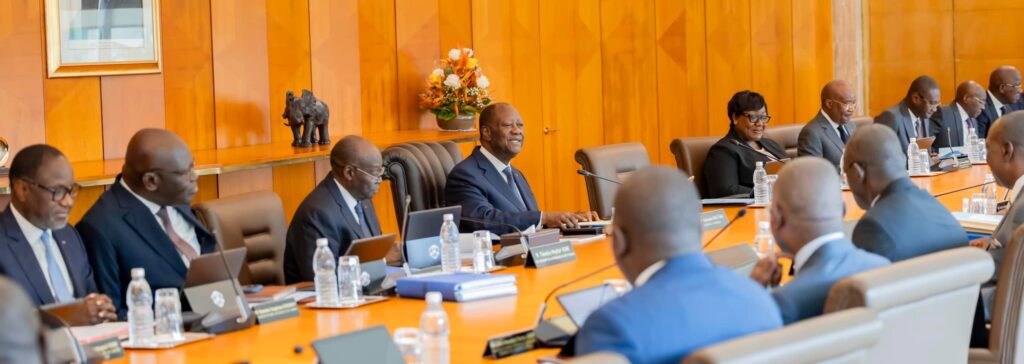
Today, Sierra Leone operates as a constitutional republic, led by President Julius Maada Bio. The government has focused on strengthening democratic institutions, improving healthcare, and boosting eco-tourism. With increasing international partnerships and reforms in mining transparency, Sierra Leone is positioning itself as a model for sustainable development and responsible tourism in West Africa.
Why Visit Sierra Leone?
Sierra Leone is a land reborn—a country once scarred by conflict, now flourishing in peace and pride. It offers travelers an experience that is authentic, raw, and deeply moving. From wandering the vibrant streets of Freetown to watching the sun set over the Atlantic, every moment here tells a story of endurance and beauty. Whether you come for its untouched beaches, its soulful music, or its powerful history, Sierra Leone will leave you with one undeniable truth: this is a country that has not just survived—but triumphed.
Top Attractions & Travel Highlights
- Banana Islands – A serene archipelago of golden sands, coral reefs, and colonial ruins—perfect for snorkeling and diving.
- Bunce Island – A hauntingly beautiful site that once served as a major slave trading post, now a place of reflection and remembrance.
- River No. 2 Beach & Tokeh Beach – Iconic stretches of coastline with crystal-clear waters and soft white sand, ideal for relaxation.
Images credits
1. Image by Patrick S. Bangura, CC0, via Wikimedia Commons.
Videos from our Channel

«
Prev
1
/
3
Next
»


DIY Batik in Ghana: My Hands-On Fabric Dyeing Experience in Takoradi
GHANA - Cultural and Black History Tour - Final Day
GHANA - Cultural and Black History Tour - Day 3
«
Prev
1
/
3
Next
»