

Discovering Côte d’ivoire

Bordered by the Gulf of Guinea to the south and stretching deep into the savannahs of West Africa, CÔTE D’IVOIRE (Ivory Coast) is a land of breathtaking contrasts and quiet harmonies. It is a place where the rhythms of tradition meet the pulse of modernity, where ancient rainforests embrace golden beaches, and where bustling cities rise beside tranquil villages. To journey through Côte d’Ivoire is to experience a country that feels at once rooted in history and boldly reaching toward the future. Every corner tells a story—of kingdoms and empires, of colonial legacies, of music and dance, of landscapes that are as diverse as its people.
Climate
The climate of Côte d’Ivoire mirrors its varied terrain, shaping both the lifestyle and livelihoods of its people. The southern region experiences a humid, equatorial climate with four distinct seasons—two rainy and two dry. Rainfall here is abundant, nourishing the dense forests and supporting the lush coastal ecosystems. Temperatures hover around 30°C, creating a warm, vibrant atmosphere throughout the year.
In contrast, the north falls under a tropical savanna climate, with hotter and drier conditions. The long dry season brings dusty harmattan winds from the Sahara, while the short rainy season brings just enough water to sustain agriculture and wildlife. This contrast between north and south allows travelers to experience both the lush greenery of the tropics and the wide, golden expanses of the savannahs within a single journey
Vegetation
Côte d’Ivoire’s vegetation is as diverse as its climate. The southern rainforests are rich in mahogany, iroko, and ebony trees, forming dense canopies that are home to an array of wildlife. These forests also cradle sprawling cocoa and coffee plantations, making the country one of the world’s leading exporters of these commodities. In the central regions, the forests thin out into fertile farmlands, where cassava, plantains, yams, and oil palms flourish.
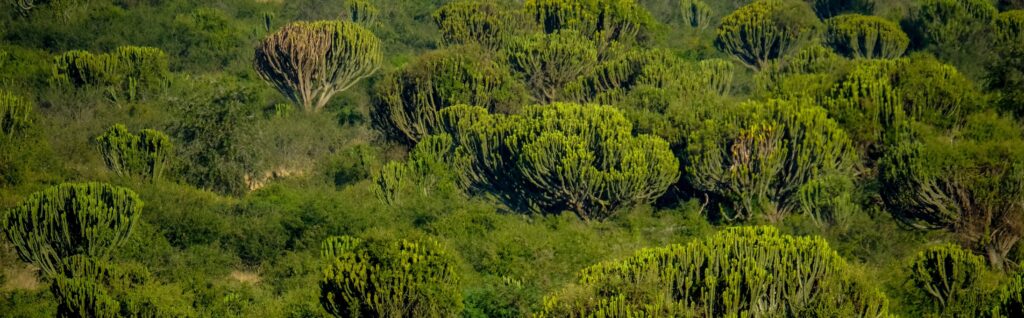
Further north, the vegetation transitions into savannahs with tall grasses, scattered baobabs, and acacia trees, forming landscapes that seem to stretch endlessly toward the horizon. Along the coastline, mangrove forests provide essential ecosystems for fish, crabs, and birdlife, creating a delicate balance between land and sea. This ecological diversity is not only a gift of nature but also a central part of the Ivorian identity, shaping food, traditions, and everyday life
People
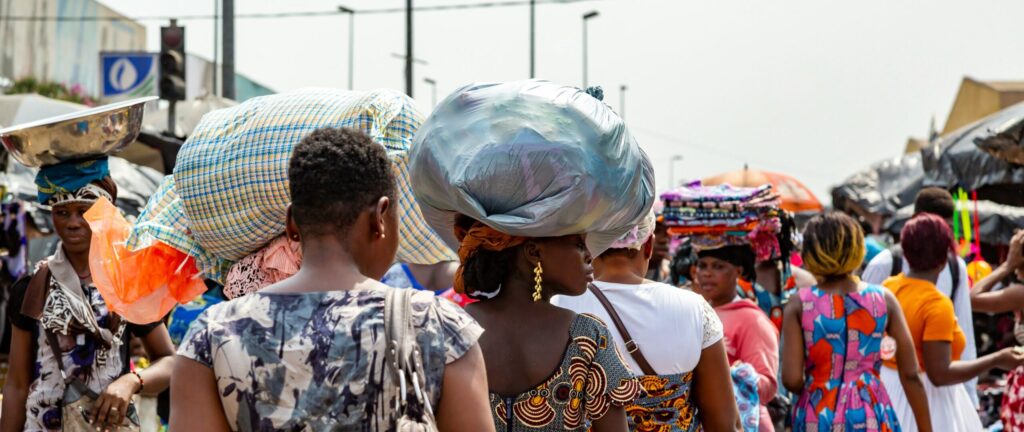
Côte d’Ivoire is home to over 60 ethnic groups, including the Baoulé, Senoufo, Dan, Malinké, and Bété communities. Each group contributes distinct traditions that shape the nation’s identity—from the intricate Baoulé wood carvings and gold jewelry, to the Senoufo’s masked dances that blend spirituality with storytelling. The Dan people are celebrated for their masterful masks used in rituals, while the Malinké preserve ancient griot traditions of music and oral history. The Bété, known for their dynamic drumming, bring rhythm and movement to festivals across the country. Together, these cultures weave a vibrant tapestry of music, dance, art, and spirituality that defines everyday life. Beyond their heritage, Ivorians are renowned for their warmth, hospitality, and cultural pride—welcoming visitors to share in meals, stories, and celebrations that highlight the soul of the nation.
Population
With nearly 30 million inhabitants, Côte d’Ivoire is one of the most populous countries in West Africa. The population is youthful, dynamic, and largely urban, with Abidjan standing out as the cultural and economic heart. Known as the “Paris of West Africa,” Abidjan’s skyline of modern towers, buzzing nightlife, and artistic vibrancy reflects the nation’s ambitions. At the same time, rural areas preserve traditional lifestyles, balancing old and new. French is the official language, but the soundscape is enriched by local tongues such as Dioula, Baoulé, and Senoufo.
Educational System
Education in Liberia is still in a process of rebuilding, rooted in historic institutions but shaped by recent reforms and ongoing challenges. Adult literacy stands at about 60%, with men (≈64.8%) showing higher literacy rates than women (≈56.8%), according to 2010 estimates (Wikipedia).
More recent data from the 2022 national census shows that 33.4% of Liberians aged three years and above have never attended school, with marked disparities between rural and urban communities as well as between genders
Liberia’s higher education sector is anchored by Liberia College, founded in 1862 and later developed into the University of Liberia, the country’s oldest and largest institution, with faculties including medicine and law (Wikipedia). Despite these historic foundations, the education system faces significant barriers such as poor infrastructure, limited access, and irregular attendance, particularly in rural areas (LISGIS.gov.lr; Wikipedia).

History
Before colonial rule, the region was home to influential kingdoms such as the Kong Empire in the north and the Baoulé Kingdom in the central regions.
These polities thrived on trade, agriculture, and culture. French colonialism, beginning in the late 19th century, reshaped the territory into a strategic hub for commerce, infrastructure, and export agriculture.
Independence in 1960, led by President Félix Houphouët-Boigny, ushered in decades of prosperity, establishing Côte d’Ivoire as one of the most stable and prosperous nations in West Africa at the time
Government
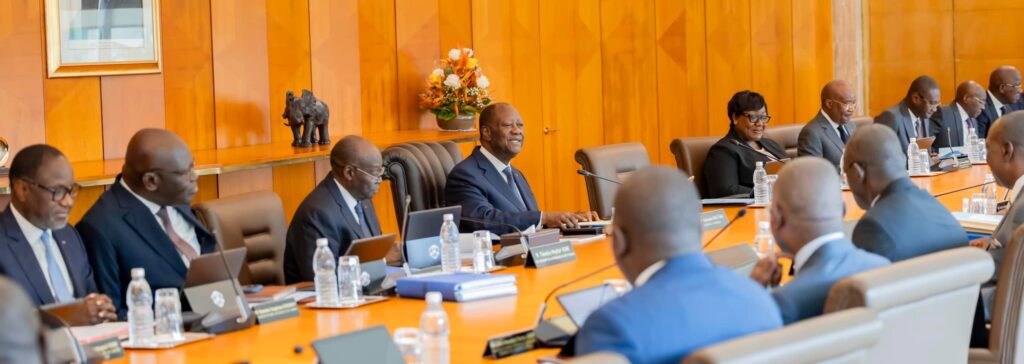
Côte d’Ivoire today operates as a presidential republic. The current government, under President Alassane Ouattara since 2011, has emphasized reconciliation, rebuilding, and economic growth following the challenges of civil conflict. The political system features a strong presidency alongside a multi-party democracy, with the capital Yamoussoukro serving as the political hub while Abidjan drives commerce. This blend of tradition and modern governance reflects the nation’s determination to secure a stable, forward-looking future.
Why Visit Côte d’Ivoire?
Côte d’Ivoire is more than a destination—it’s an experience of contrasts and connections. It’s where rainforests echo with bird calls, cities pulse with music, and traditions continue to thrive alongside innovation. From sacred peaks and bustling markets to serene coasts and vibrant festivals, every step in Côte d’Ivoire offers a story worth discovering. For the curious traveler, this is not just a place to see but a journey to feel and remember.
Top Attractions & Travel Highlights
-
Basilica of Our Lady of Peace (Yamoussoukro)
Often compared to St. Peter’s Basilica in Rome, this architectural marvel is one of the largest churches in the world. Its grand dome, stained-glass windows, and peaceful surroundings make it both a spiritual sanctuary and a symbol of Côte d’Ivoire’s ambition. -
Grand-Bassam (UNESCO World Heritage Site)
Once the colonial capital, Grand-Bassam blends history with leisure. Its colonial buildings tell stories of the past, while its golden beaches, vibrant craft markets, and artistic energy make it a favorite destination for cultural explorers. -
Banco National Park (Abidjan)
An extraordinary urban rainforest nestled in the heart of Abidjan. Visitors can hike through lush trails, spot wildlife, and escape the city’s buzz—all without leaving the economic capital. It’s a rare combination of nature and urban life.
Videos from our Channel

«
Prev
1
/
3
Next
»


DIY Batik in Ghana: My Hands-On Fabric Dyeing Experience in Takoradi
GHANA - Cultural and Black History Tour - Final Day
GHANA - Cultural and Black History Tour - Day 3
«
Prev
1
/
3
Next
»