
-
Email: info@blastours.com

Discovering Nigeria
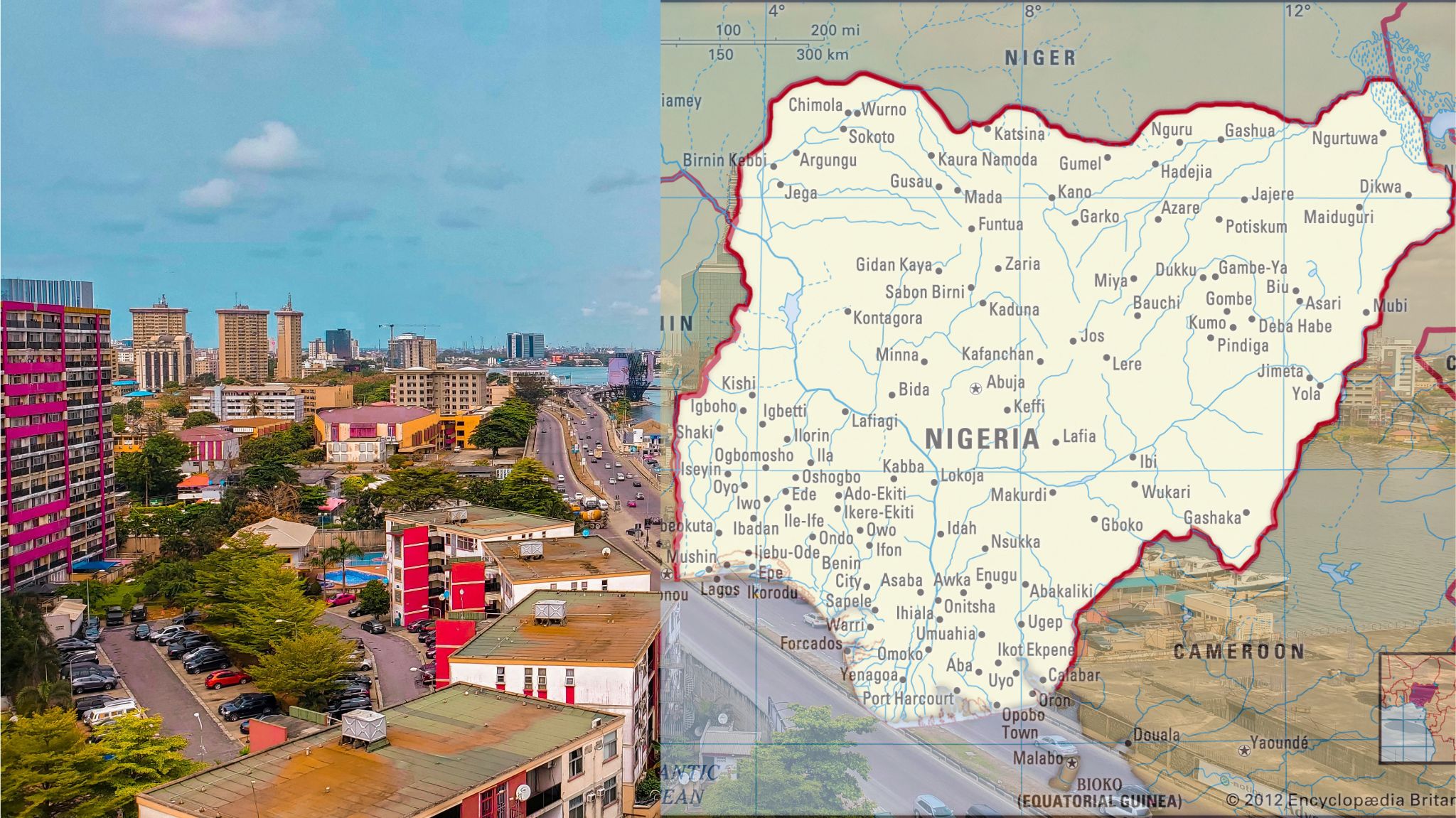
Spanning from the Gulf of Guinea into the heart of West Africa, NIGERIA stands as one of the continent’s most dynamic nations — a land where ancient kingdoms meet modern skylines, and where over 200 million people create a living mosaic of language, rhythm, and innovation. It is a country that feels like a continent within itself, blending nature’s grandeur with a heartbeat of creativity and resilience. From the bustling megacity of Lagos to the serene plateaus of Jos, from the rainforests of Cross River to the dunes of the Sahel, Nigeria tells a story of energy, evolution, and endurance.
Geography
Nigeria’s geography is as diverse as its people. Along the southern coast, palm-fringed beaches and mangrove swamps stretch into the Gulf of Guinea, giving way to fertile rainforests that feed the nation’s rivers — the mighty Niger and Benue. Moving northward, the landscape shifts into open savannah and high plateaus, culminating in the arid beauty of the Sahel.
Landmarks such as Zuma Rock, a towering monolith near Abuja, and Aso Rock, the city’s granite sentinel, showcase the dramatic natural scenery that defines Nigeria’s terrain. The country’s varied elevation and vegetation create striking contrasts — from misty highlands to golden plains — making it a true geographic wonder of West Africa.
Vegetation
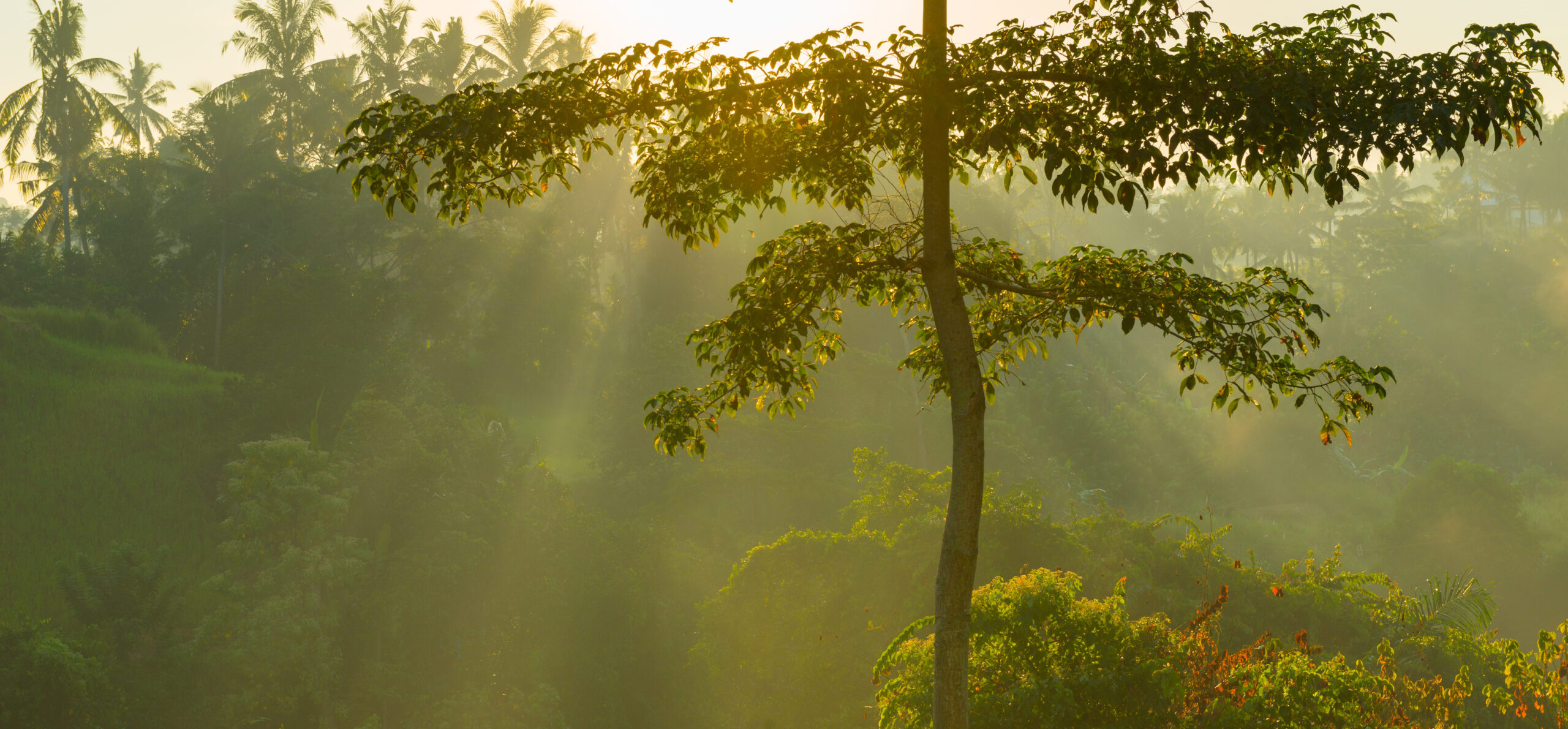
Nigeria’s climate mirrors its topographical diversity. The southern regions experience a humid tropical climate with two distinct rainy seasons, while the north endures hotter, semi-arid conditions punctuated by the Harmattan winds.
Lush rainforests dominate the coastal and southern belts, giving way to woodland and grassland savannahs across central Nigeria. In the north, acacia trees and thorny shrubs dot the Sahel landscape. The country’s ecosystems host diverse wildlife — from forest elephants and chimpanzees to migratory birds and rare primates — making Nigeria an underrated destination for nature enthusiasts.
People
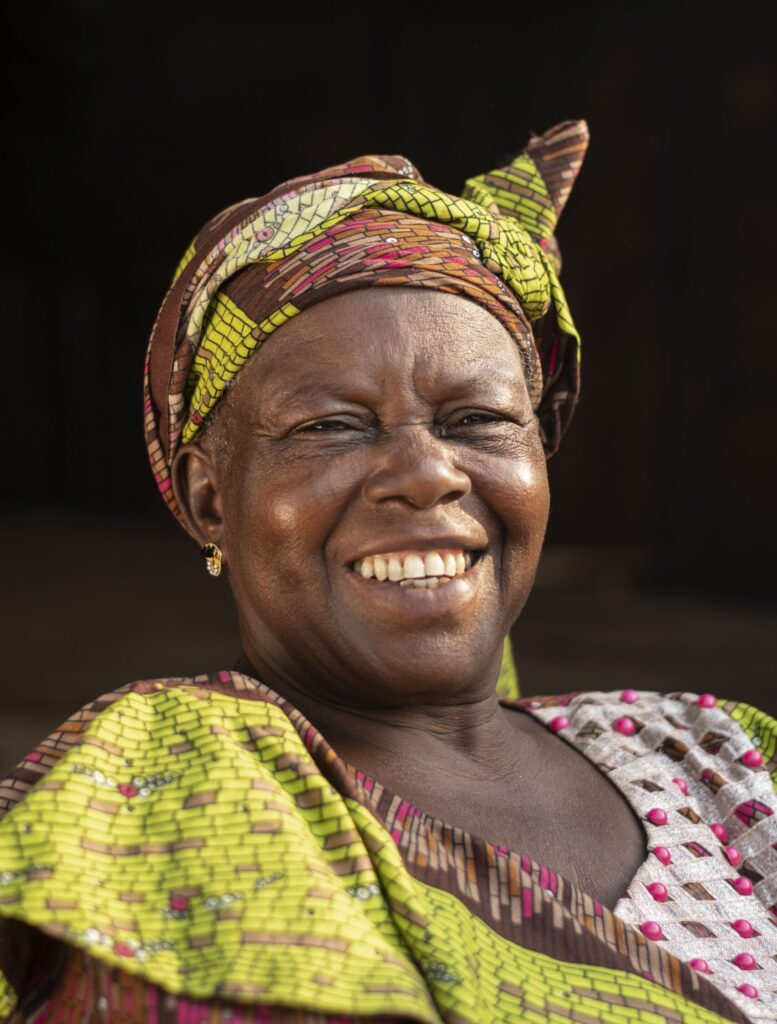
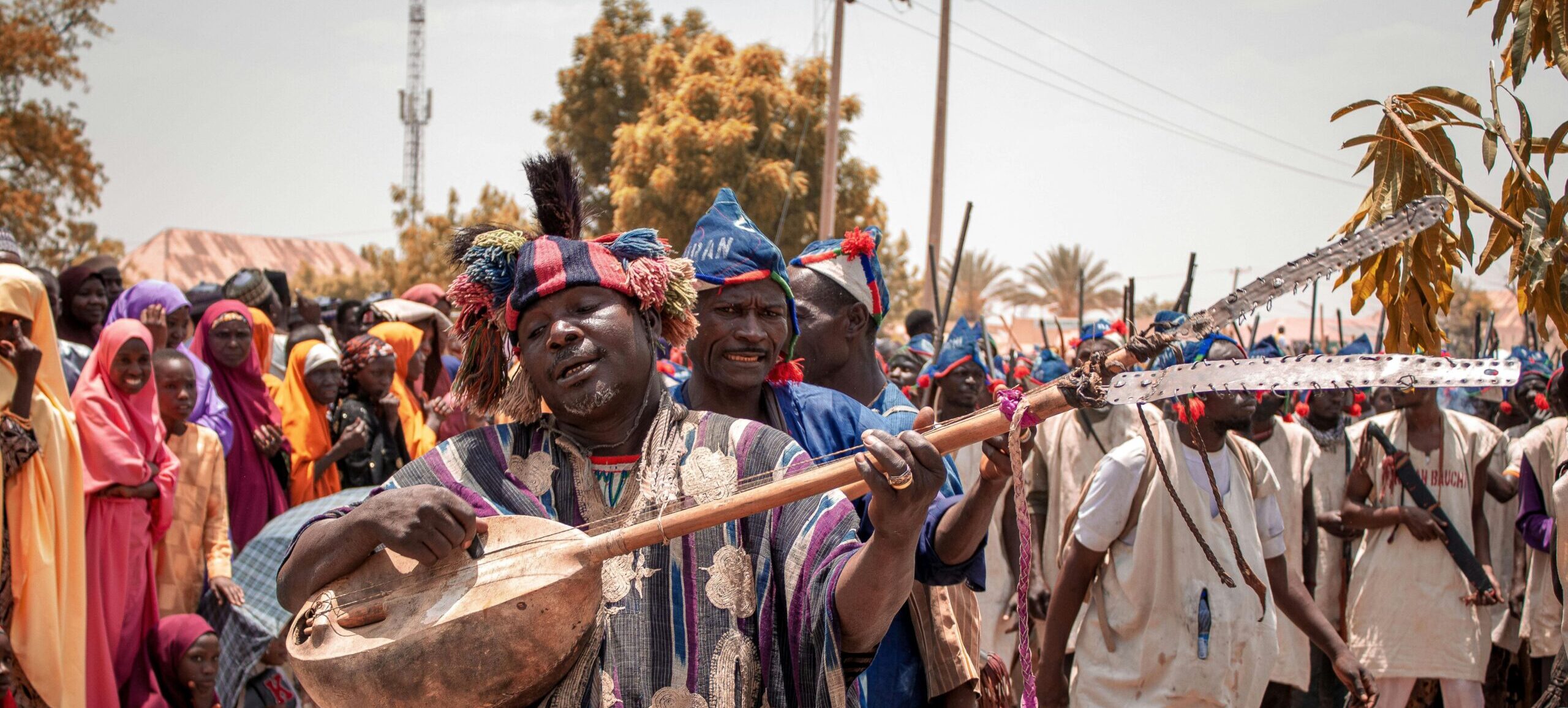
Home to a kaleidoscope of ethnic groups, each with its own traditions, attire, and artistry. The Hausa-Fulani, Yoruba, and Igbo represent the three largest, but over 500 ethnicities contribute to the nation’s vibrant cultural fabric.
From the colorful masquerades of the Yoruba Egungun festival to the intricate bronze sculptures of the Benin Kingdom, the Nigerian spirit is expressed through art, dance, and storytelling. Nigerians are known for their warmth, humor, and pride — qualities that make every encounter memorable.
From Ancient Kingdoms to Modern Marvels
Nigeria’s history bridges the greatness of its ancient empires and the vibrancy of its modern cities. The Benin and Oyo kingdoms once flourished as centers of art, power, and trade, leaving behind masterpieces like the famous Benin bronzes. Traces of the Nok civilization reveal some of Africa’s earliest artistry. Today, cities like Lagos and Abuja carry that same spirit of innovation—where heritage meets modern architecture, technology, and creativity. From royal legacies to rising skylines, Nigeria continues to embody progress rooted in history.
Population
With over 200 million inhabitants, Nigeria is Africa’s most populous country and one of the most influential on the continent. Its bustling cities — Lagos, Abuja, Kano, Port Harcourt, and Ibadan — pulse with energy and enterprise. Lagos alone, often dubbed “Africa’s heartbeat,” is a world-class metropolis blending tradition with technology, commerce, and creativity.
Educational System
Nigeria’s education system is one of the most extensive in Africa, though challenges persist. The country boasts prestigious institutions such as the University of Ibadan, Ahmadu Bello University, and Covenant University, producing some of Africa’s brightest minds. Literacy rates are improving steadily, with southern states like Lagos and Imo achieving high educational outcomes. However, access disparities remain between regions, prompting ongoing reforms and investments in digital learning and teacher development.
Cousine
Nigerian cuisine is a flavorful reflection of its cultural diversity, bold, spicy, and deeply communal. Staples like jollof rice, suya (spiced grilled meat), pounded yam with egusi soup, okra stew, and moi moi (steamed bean pudding) form the foundation of local meals. The iconic jollof rice, in particular, stands at the heart of a friendly culinary rivalry known across West Africa — the famous “Jollof War” between Nigeria and Ghana. Each nation claims to make the best version, with Nigerians favoring a rich, smoky tomato base and bold seasonings, while Ghanaians pride themselves on their flavorful, slightly sweeter twist.
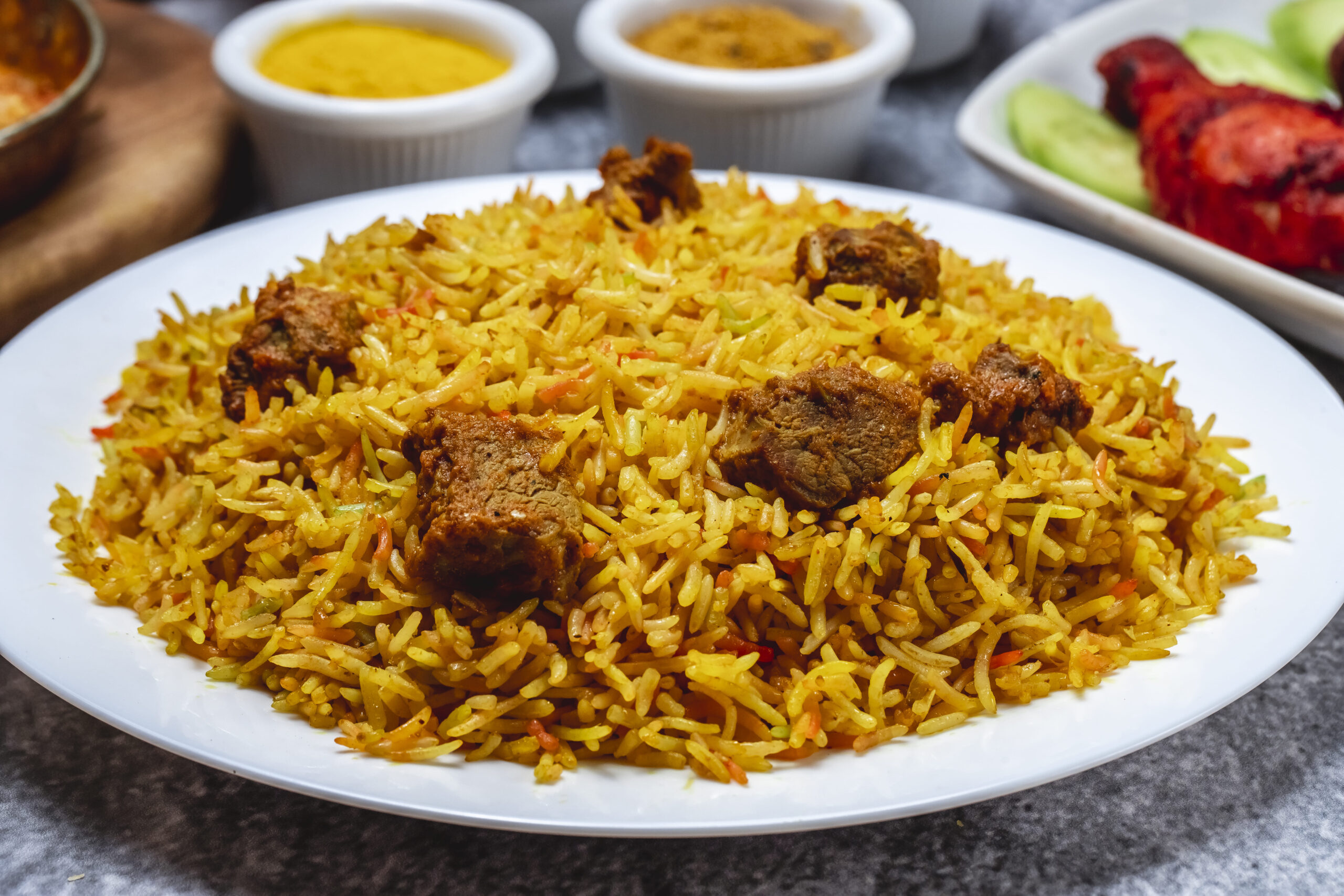
Coastal regions in Nigeria specialize in fresh seafood dishes, while street food — from puff-puff to roasted plantain (bole) — adds zest to everyday life. In Nigeria, every meal is not just nourishment, but a celebration of togetherness, pride, and heritage.
History and Government
Nigeria’s history is a tale of kingdoms, empires, and endurance. Before colonialism, powerful civilizations such as the Benin Empire, Oyo Kingdom, and Kanem-Bornu ruled the land, thriving in trade, art, and governance. The 19th century brought British colonial rule, uniting diverse peoples under a single administration. Nigeria gained independence on October 1, 1960, ushering in a new era of nationhood. The following decades saw political evolution, civil conflict, and a journey toward democracy.
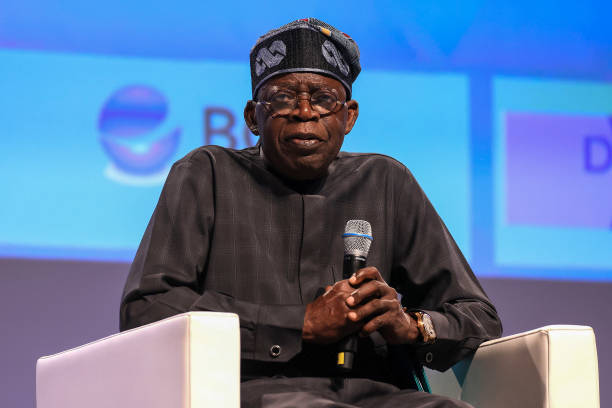
Today, Nigeria operates as a Federal Republic, governed by an executive president, a bicameral legislature, and an independent judiciary. The country is divided into 36 states and the Federal Capital Territory, Abuja. Under the leadership of President Bola Ahmed Tinubu (as of 2025), Nigeria continues to navigate challenges while pursuing economic diversification, innovation, and infrastructural growth.
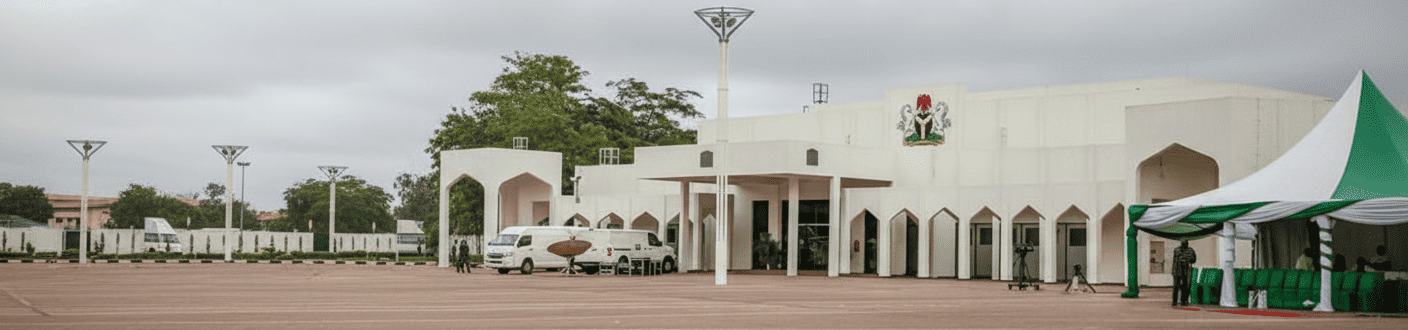
The Aso Rock Villa – The Heart of Nigeria’s Leadership
At the foot of the majestic Aso Rock in Abuja, The Aso Rock Villa serves as the official residence and office of the President of Nigeria. Surrounded by scenic hills and modern architecture, it stands as both a symbol of national power and a reflection of Nigeria’s political evolution. Beyond its significance as the nation’s administrative hub, Aso Rock Villa captures the essence of Nigeria’s unity—bringing together leaders from across its diverse regions. Its serene environment, combined with the imposing presence of Aso Rock itself, creates a striking image of governance, resilience, and national pride.
Why Visit Nigeria?
NIGERIA is a land of extraordinary contrasts — where ancient rhythms meet modern ambitions, and where every landscape, from rainforest to desert, tells a story. Whether you’re exploring cultural landmarks, savoring vibrant street food, or dancing to the beat of Afrobeat music, Nigeria invites travelers to experience a living symphony of heritage, diversity, and life.
Top Tourist Attractions
Zuma Rock & National Mosque (Abuja)
Awhum Waterfall & Cave (Enugu State)
Grand Nok Terracotta Museum (Kaduna)
Image Credits:
Bola Tinubu portrait” by Nosa Asemota, licensed under CC BY-SA 4.0
Festival celebration Photo by that_photographer:
Jollof rice photo” by stockkingon Freepik.
Videos from our Channel

«
Prev
1
/
3
Next
»


DIY Batik in Ghana: My Hands-On Fabric Dyeing Experience in Takoradi
GHANA - Cultural and Black History Tour - Final Day
GHANA - Cultural and Black History Tour - Day 3
«
Prev
1
/
3
Next
»